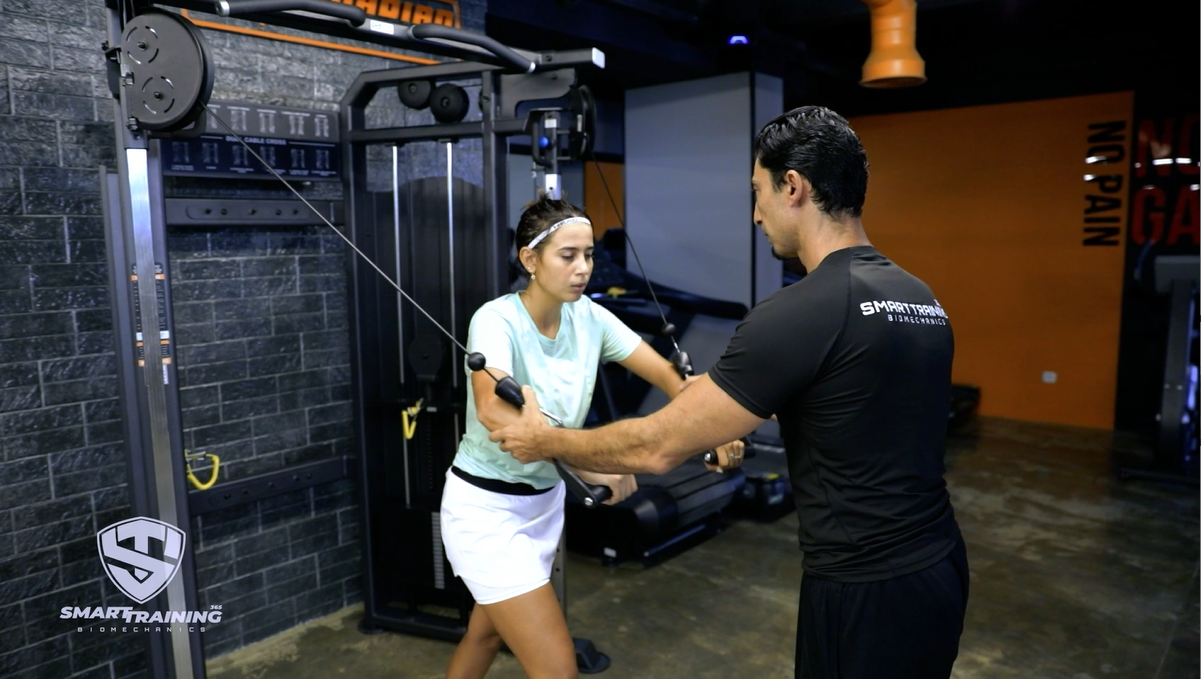

Used Worldwide by Coaches & Athletes

Program Foundation


The Certified Resistance Training Specialist (CRTS) program is built to bridge the gap between biomechanical understanding and practical training application.

While many certifications focus on exercise lists, routines, or protocols, CRTS is designed to teach how resistance training principles are applied in real environments—with real athletes, real limitations, and real performance demands.

This program expands on the biomechanical foundation taught in the SmartTraining365 education system and shows how those principles translate into structured training sessions, intelligent exercise grouping, sport-specific integration, and long-term injury-aware development.

CRTS does not replace foundational biomechanics education—it builds on it, turning principles into actionable training decisions.


What Defines The CRTS System


What's Included


When you enroll in the CRTS program, you receive:


Core Concepts Covered


Participants learn how to apply resistance training principles through objective mechanics, not tradition or habit.

Key areas include:

  • How biomechanical factors influence exercise effectiveness
  • How to group exercises intelligently within a session
  • How resistance training supports sport-specific demands
  • How to adapt training for limitations without losing effectiveness
  • How to balance performance goals with long-term joint health
  • How to evaluate commonly used exercises through a biomechanical lens

Rather than teaching “right vs wrong” exercises, the program teaches how to evaluate and decide.


Who Is This For


 Build a stronger foundation using principles that improve performance and transfer more effectively to sport



Learn how to evaluate exercises objectively, so training decisions are driven by structure, function, and efficiency rather than guesswork

Created By Moe Larbi
 Founder of SmartTraining365 & Ratel Mentality
Sports Performance Coach
 Helping athletes and everyday lifters train smarter, safer, faster, and stronger under real-world conditions.

Explain, justify, and teach exercise selection and programming decisions with clarity and logic instead of opinions



 Incorporate biomechanical principles into what you already know, to evaluate, modify and strengthen exercise selection and programming decisions


Use biomechanical logic to select and adapt exercises that respect joint structure, limitations, and long-term training sustainability

 

CRTS VS PHYSICS OF FITNESS—Understanding The Difference


The Physics of Fitness Certification and CRTS share the same biomechanical foundation, but they serve slightly different roles.

The Physics of Fitness Certification focuses on understanding why exercises work by teaching the laws of biomechanics, anatomy, neurology, and physics. It is primarily an educational framework designed to explain exercise efficiency, load distribution, and mechanical reasoning.

CRTS builds on that foundation and moves into application and sports-specific.

In addition to the BRIG20 system and the educational webinar explaining the 16 biomechanical factors,

CRTS shows how those factors are applied in real training environments, including:

  • Structuring resistance training sessions (PDF)
  • Grouping exercises effectively
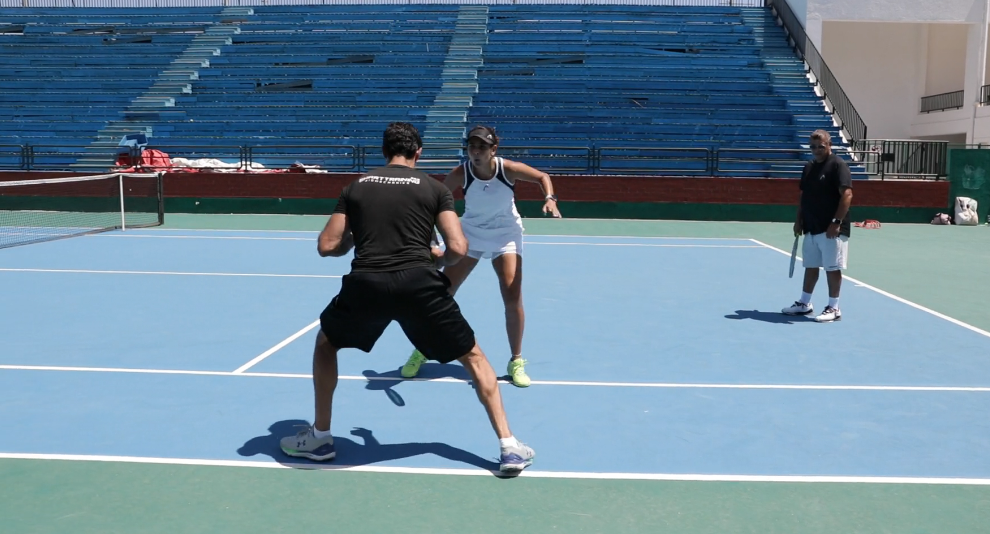
  • Supporting sport-specific performance
  • Integrating injury prevention strategies
  • Adapting training based on athlete needs

CRTS also includes a large educational library addressing resistance training topics, biomechanical analysis of commonly used exercises.

In short:

  • Physics of Fitness teaches the principles
  • CRTS teaches how to apply them in practice
 

Applied In Real Environments


Training systems used in gyms, academies, workshops 

and competitive settings.


Is this a workout program?

Does this include BRIG20?

Is this suitable for beginners?

Is this sport-specific training?

Can this be used in gyms or home settings?


FOLLOW US

Biomechanics Training — We evaluate exercises based on physics and joint mechanics for efficiency and safety.